Get Found on Google, Google Maps & AI Search: The Complete Guide for Local Businesses (2026)

The Evolution of Local Business Visibility in 2026
If you own a local service business—whether you are a roofer, plumber, landscaper, or attorney—you are competing in a rapidly changing digital landscape. The days of simply buying a domain, throwing up a basic website, and waiting for the phone to ring are over. In 2026, visibility is a multi-dimensional challenge.
Today, your potential customers do not rely on a single source to find you. They search Google, check Google Maps for proximity and reviews, ask ChatGPT for recommendations, compare your website against competitors, and look for educational content to build trust before they ever make a phone call. The buyer journey is fragmented across dozens of platforms, and your business must be present and authoritative at every touchpoint.
This guide brings everything together in one place. It is the definitive cornerstone resource for local business owners who want to build a marketing system that generates consistent, high-quality leads long after the initial work is done. We will break down exactly what works in 2026, from Local SEO to AI Search Visibility, and how to implement a system that generates exclusive, high-intent leads.
⚠️ Industry Shift
The traditional SEO model is failing. To understand why old-school agencies are struggling to deliver results in the age of AI, read our deep dive on The Death of Traditional SEO Agencies.
Why This Guide is Different
Most guides focus on a single tactic: running ads, or tweaking meta tags. We focus on Omnipresent Authority. We believe that chasing algorithm updates is a losing battle. Instead, if you build a robust, educational, and omnipresent digital footprint, search engines and AI tools will have no choice but to recommend you as the premier local expert.
The Modern Buyer Journey
To market effectively, you must understand how your customers search today. The modern buyer journey is no longer a straight line. It is a complex web of interactions that typically follows this framework:
- The Trigger: The customer experiences a problem. This could be an acute emergency (e.g., a leaking pipe, a broken HVAC unit in the dead of winter) or a planned project (e.g., a kitchen remodel, a landscaping overhaul).
- The Initial Search (Google & AI): They search for information. Instead of just typing "plumber near me," they might ask Google, "How much does water heater replacement cost?" or ask Perplexity, "Who are the most reliable plumbers near me with experience in tankless heaters?"
- The Evaluation (Google Maps & Reviews): They look at the Google Local Pack. They check star ratings, but more importantly, they read the actual text of the reviews to see if previous customers mentioned punctuality, cleanliness, and fair pricing.
- The Deep Dive (Website & Content): They visit the websites of the top contractors. They look for trust signals: real photos of your crew, clear service pages, transparent pricing indicators, and educational content that answers their specific questions.
- The Decision: They contact the companies that built the most trust during their research. If your competitor has a cleaner website, better reviews, and answered their questions first, they get the call.
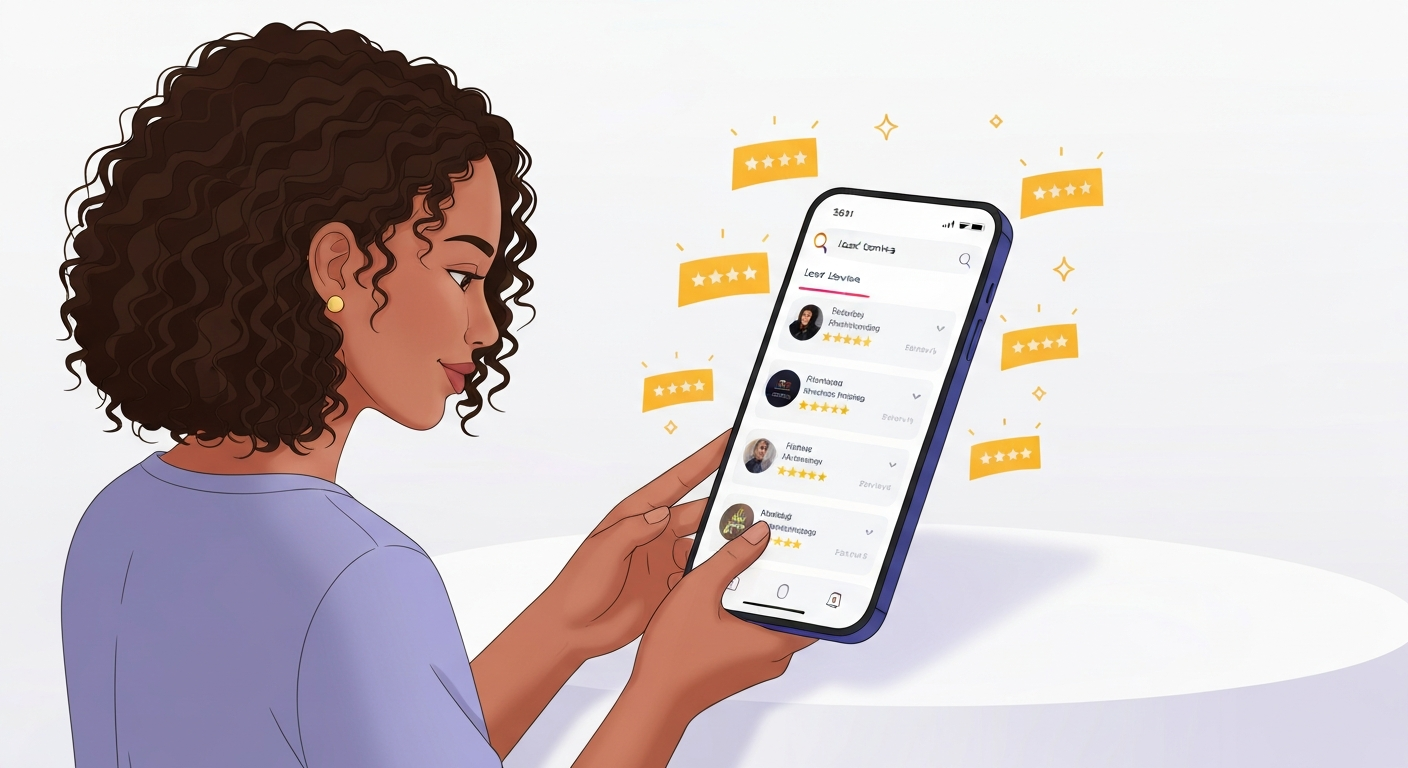
Local SEO for Service Businesses
Local SEO is the foundation of your digital presence. It ensures that when someone in your city searches for your services, your website appears prominently in the organic search results. But Local SEO in 2026 requires much more than just putting your city name on your homepage.
You need dedicated service pages, robust city pages, fast loading times, and a mobile-first experience. You must structure your site so that search engines understand precisely what you do and where you do it. While we cover the basics here, we dive much deeper into specific strategies in our supporting articles. For instance, if you are just starting out, you should read our comprehensive Local SEO for Service Businesses: The Complete Beginner's Guide.
Avoiding Common Mistakes
Many contractors struggle because they make fundamental errors on their websites. From missing service area pages to slow load times, poor mobile optimization, and thin content, these mistakes cost you leads daily. We have documented the most critical errors and how to fix them in The 15 Biggest Local SEO Mistakes Contractors Make.
SEO vs. Google Ads
A common question is whether to invest in Local SEO or simply buy Google Ads. While ads provide immediate visibility, SEO builds compounding assets. Ads stop working the second you stop paying, creating a dangerous dependency on your marketing budget. To understand the long-term ROI comparison and why a blended approach is best, check out Local SEO vs Google Ads: Which Produces Better Long-Term Results?
Dominating Google Maps
The Google Local Pack (the map with three business listings) is the single largest driver of high-intent local leads. If you are not in those top three spots, you are missing out on a massive amount of business. When someone has an emergency, they go straight to the map, look at the star rating, and call. For a deep dive into mastering this, read How to Show Up in Google Maps for Your Local Business.
Many businesses struggle to break into the Map Pack. They create a profile and forget about it, assuming that is enough. We explain exactly why this passive approach fails and what to do instead in Why Most Local Businesses Never Reach Google's Map Pack.
Optimizing Your Google Business Profile
Your Google Business Profile (GBP) is your most important local asset. It is the digital storefront of your business. If your profile isn't generating calls, it likely needs optimization. Learn how to fix it in Why Your Google Business Profile Isn't Getting Calls.
For actionable steps to boost your rankings, we have compiled 25 Ways to Improve Your Google Maps Ranking and a detailed breakdown of Google Maps Ranking Factors Explained. You'll learn how to properly use primary and secondary categories, leverage the Q&A section, post regular updates, and use geotagged imagery to prove your local relevance.
| Google Maps Factor | Why It Matters | How to Optimize |
|---|---|---|
| Primary Category | Dictates what searches you appear for. | Choose the most specific category available (e.g., "HVAC Contractor" not just "Contractor"). |
| Review Velocity | Shows Google you are actively serving customers. | Implement an automated post-job review request system. |
| Geotagged Photos | Proves you actually do work in your service areas. | Upload photos from job sites with location data enabled. |
The Frontier of AI Search
This is the biggest shift in local marketing in a decade. Traditional SEO focuses on ranking your website on the first page of Google. Answer Engine Optimization (AEO) focuses on getting your business recommended by AI tools like ChatGPT, Gemini, Claude, and Perplexity.

To understand this shift, read How AI Search Is Changing Local Marketing Forever.
Optimizing for AI
AI tools look for "Entity Authority." They scan the internet to see which business is mentioned most consistently across trusted sources. If your digital footprint is limited to just your website, AI tools will not recommend you. They need corroborating evidence from news sites, directories, podcasts, and social media to verify that you are a real, trusted business.
Learn the strategies to build this authority in AI Search Optimization for Contractors and understand the nuanced differences in The Difference Between SEO and AI Search Optimization.
ChatGPT Visibility
When a homeowner asks ChatGPT, "Who is the best landscaper in my area?", how does it decide who to recommend? It relies on a web of authoritative signals, reviews, and structured data. ChatGPT doesn't browse your site the way a human does; it looks for mentions of your entity across high-authority data sources.
We break down the exact mechanics in How ChatGPT Chooses Local Businesses to Recommend and Why AI Recommends Some Businesses and Ignores Others.
Building an AI-Friendly Presence
Your website must be structured so that AI crawlers can easily extract your information. This means using proper Schema markup (JSON-LD), maintaining a clear site architecture, and publishing an llms.txt file to guide AI models. Learn how to do this in How to Build an AI-Friendly Business Website. And if you are wondering if this really drives leads, read Can ChatGPT Help Customers Find Your Business?
Authority & Thought Leadership
Ultimately, all of these strategies—Local SEO, Google Maps, and AI Search—rely on one core concept: Authority. Google and AI tools want to recommend the most trusted, authoritative businesses. You cannot game the system anymore; you must actually be the most trusted resource in your market.
What does this mean for the future? We explore this in The Future of Local Search: Google, Maps, AI & Voice Search.
The Importance of EEAT and Reviews
Experience, Expertise, Authoritativeness, and Trustworthiness (EEAT) are the pillars of modern search. Google explicitly uses these guidelines to evaluate content quality. Learn more in EEAT Explained for Local Businesses and discover What Is Topical Authority (And Why Google Loves It).
Furthermore, reviews are more critical than ever. They are the ultimate trust signal for both humans and AI. A business with 500 five-star reviews will almost always be recommended over a business with 10. Read Why Reviews Matter More Than Ever in AI Search.
The Visibility Gap
Finally, we address the most frustrating reality for many business owners: The Visibility Gap: Why Better Businesses Lose to Better-Marketed Competitors. This signature concept explains why being the best at your trade isn't enough if you aren't the most visible. You must bridge the gap between how good your service is and how easy it is to find you online.
Conclusion: Building Your Visibility Engine
Marketing a local service business doesn't have to be a guessing game. It requires a systematic approach to visibility across Google, Maps, and AI Search. By building a comprehensive, omnipresent digital footprint, you can stop relying on shared lead platforms and start generating exclusive, high-intent leads.
Ready to stop chasing algorithms and start building momentum?
Build your Local Authority Flywheel today.
Our proprietary framework ensures that every effort you make builds compounding authority that makes your competition irrelevant over time.
This guide serves as your map. Dive into the supporting articles linked above to master each aspect of your local visibility strategy. By executing on these pillars, you will build a moat around your business that competitors cannot easily cross.
Frequently Asked Questions
How long does it take to see results from Local SEO?
You can often see improvements in Google Maps visibility within 60 to 90 days of proper optimization. However, significant ranking gains across competitive keywords and surrounding cities typically take 6 to 12 months of consistent effort.
What is the difference between SEO and AEO?
SEO (Search Engine Optimization) helps your business rank in traditional Google results. AEO (Answer Engine Optimization) helps AI tools like ChatGPT, Perplexity, and Google AI Overviews recommend your business when customers ask questions.
How does ChatGPT choose which local businesses to recommend?
AI tools like ChatGPT pull from a web of authoritative signals — business listings, reviews, published content, and entity recognition across multiple platforms. A business mentioned consistently across trusted sources is far more likely to be recommended.
Why isn't my Google Business Profile getting calls?
Most local service businesses drop in rankings because their Google Business Profile is incomplete, lacks recent reviews, has inconsistent NAP (Name, Address, Phone) information across the web, or lacks regular activity like weekly posts and photo uploads.
What is Topical Authority?
Topical Authority is a measure of depth and expertise on a specific subject. Google and AI tools reward websites that comprehensively cover a topic through interconnected, high-quality content clusters rather than just targeting individual keywords.
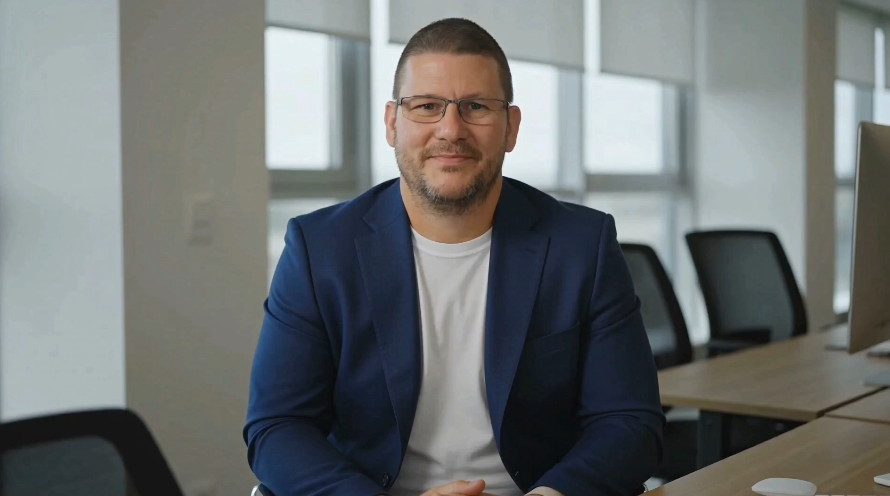
John Simpson, Co-owner
John Simpson is the Co-owner of Media Surge Marketing and creator of the SURGE Framework™, a proprietary methodology that helps local service businesses become the companies Google and AI recommend.
Specializing in AI visibility, local SEO, Answer Engine Optimization (AEO), and content strategy, John combines real-world client experience with ongoing research to help businesses build trust and improve their online visibility.
Ready to Implement
These Strategies?
Stop losing leads to competitors who are already optimizing for AI Search. Let's build your custom authority roadmap.
