Local SEO for Service Businesses: The Complete Beginner's Guide

The Importance of Local SEO in 2026
If you run a local service business, your customers are searching for you online right now. Whether they need a plumber, a roofer, a landscaper, or an electrician, their first step is almost always pulling out their phone and searching for a solution nearby.
If your business doesn't show up at the top of those search results, you are invisible to the people who are ready to hire you. This is where Local SEO (Search Engine Optimization) comes in.
Local SEO is the process of optimizing your online presence to attract more business from relevant local searches. For a comprehensive overview of how Local SEO fits into the broader picture of modern marketing, check out our cornerstone guide: Get Found on Google, Google Maps & AI Search: The Complete Guide for Local Businesses (2026).
What Makes Local SEO Different?
Traditional SEO focuses on ranking a website globally or nationally for specific keywords. Local SEO is entirely focused on a specific geographic area. Google uses a different set of ranking factors for local searches, prioritizing Proximity, Relevance, and Prominence.
- Proximity: How close is your business to the person searching?
- Relevance: How well does your business match what the person is looking for?
- Prominence: How well-known and trusted is your business across the internet?
The Google Local Pack (The "Map Pack")
When someone searches for a local service (e.g., "HVAC repair near me"), Google typically displays a map with three local businesses beneath it. This is known as the Local Pack or the Map Pack.
Appearing in the Local Pack is the holy grail of Local SEO. It drives the highest volume of high-intent phone calls and website visits because it sits at the very top of the search results, complete with star ratings and easy contact buttons.
Step 1: Optimizing Your Google Business Profile
Your Google Business Profile (GBP) is the most critical asset for Local SEO. It is the profile that appears in the Local Pack and Google Maps.
Key GBP Optimization Steps:
- Claim and Verify: Ensure you have full ownership of your profile.
- Accurate NAP: Your Name, Address, and Phone number must be exactly correct and match your website.
- Primary Category: Choose the most specific category available (e.g., "Plumber" instead of just "Contractor").
- Service Areas: Define the exact cities and zip codes you serve.
- High-Quality Photos: Upload real photos of your team, your trucks, and your completed projects. Avoid stock photos.
- Regular Updates: Post updates, offers, and new photos weekly to signal to Google that your business is active.
Step 2: Local Keyword Research
You need to know exactly what your potential customers are typing into Google. Local keyword research involves identifying the services you offer and combining them with your target locations.
For example, if you are a roofer in Dallas, your primary keywords might be:
- Roof repair Dallas
- Dallas roofing contractor
- Emergency roof leak repair Dallas
- Roof replacement cost in Dallas TX
Focus on high-intent keywords—terms people use when they are ready to hire, rather than just browsing for information.
Step 3: On-Page SEO for Local Businesses
Your website needs to clearly communicate to Google what you do and where you do it. This involves optimizing the structure and content of your site.
Essential On-Page Elements:
- Title Tags & Meta Descriptions: Include your primary service and city in the title tag of your homepage (e.g., "Dallas Roofing Contractor | ABC Roofing").
- Header Tags (H1, H2, H3): Structure your content logically, using local keywords in your headings.
- Local Schema Markup: Add LocalBusiness JSON-LD structured data to your website code to help search engines easily read your business details.
- Mobile Optimization: The majority of local searches happen on mobile devices. Your site must load quickly and look perfect on a phone.
Step 4: Building Service Area Pages
If you serve multiple cities, you cannot rely on a single homepage to rank everywhere. You need dedicated Service Area Pages (also known as City Pages).
Create a unique page for each major city you serve. For example: /service-areas/dallas-roofing, /service-areas/plano-roofing, etc.
Crucial Rule: Do not just copy and paste the same content and change the city name. Google penalizes duplicate content. Write unique, valuable content for each city, mentioning local landmarks, specific local projects you've completed, and localized reviews.
Step 5: Citations and NAP Consistency
A citation is any mention of your business's Name, Address, and Phone number (NAP) on the internet, usually in online directories like Yelp, Angi, YellowPages, and local Chamber of Commerce websites.
Search engines use citations to verify the legitimacy and location of your business. If your NAP information is inconsistent across different directories (e.g., an old address on Yelp, a different phone number on Facebook), it confuses Google and hurts your rankings.
Audit your citations and ensure your NAP is 100% consistent everywhere.
Step 6: The Power of Online Reviews
Reviews are a massive ranking factor for Local SEO, and they are the primary driver of conversions. A business with a 4.8-star rating and 200 reviews will almost always win the click over a business with a 3.5-star rating and 10 reviews.
You must have a proactive system for generating reviews. Do not wait for customers to leave them organically. Send an automated SMS or email request immediately after a job is completed, providing a direct link to your Google Business Profile.
Always respond to reviews—both positive and negative. It shows Google and potential customers that you are engaged and care about customer satisfaction.
Step 7: Local Link Building
Backlinks (links from other websites to yours) are a strong signal of authority. For Local SEO, you want links from relevant local sources.
Strategies for local link building include:
- Sponsoring local sports teams or events.
- Joining local business associations or Chambers of Commerce.
- Partnering with complementary local businesses (e.g., a plumber linking to an electrician).
- Getting featured in local news publications.
Tracking Your Local SEO Success
You cannot improve what you do not measure. To track your Local SEO progress, monitor the following metrics:
- Google Business Profile Insights: Track how many calls, website clicks, and direction requests you receive directly from your GBP.
- Local Rankings: Use a local rank tracker to see where you stand in the Map Pack for your target keywords across different zip codes.
- Organic Traffic: Use Google Analytics to monitor the volume of visitors coming to your website from organic search.
- Lead Quality: Ultimately, the most important metric is how many qualified leads and booked jobs your SEO efforts are generating.
Conclusion
Local SEO is not a one-time project; it is an ongoing process of building digital authority in your specific geographic market. By optimizing your Google Business Profile, creating targeted local content, managing your citations, and consistently generating 5-star reviews, you can establish your service business as the top recommended choice in your area.
Ready to see how your business currently performs? Get Your AI Recommendation Score™ today.
Frequently Asked Questions
What is the most important factor in Local SEO?
Your Google Business Profile (GBP) is the most critical factor. Ensuring it is fully optimized, verified, and regularly updated with posts, photos, and reviews is essential for appearing in the Local Map Pack.
How long does it take for Local SEO to work?
While you can see minor improvements in a few weeks, significant and consistent ranking changes typically take 3 to 6 months of dedicated Local SEO effort.
Do I need a physical address for Local SEO?
Yes, to verify a Google Business Profile, you need a physical address. If you are a Service Area Business (SAB) that travels to customers, you can hide your address on your profile, but you still need one for initial verification.
What are citations in Local SEO?
Citations are online mentions of your business's Name, Address, and Phone number (NAP). Consistent citations across directories like Yelp, YellowPages, and local chambers build trust with search engines.
Why is my business not showing up on Google Maps?
Common reasons include an unverified Google Business Profile, a suspended profile due to guideline violations, inconsistent NAP information across the web, or simply being outranked by competitors with stronger local authority and more reviews.
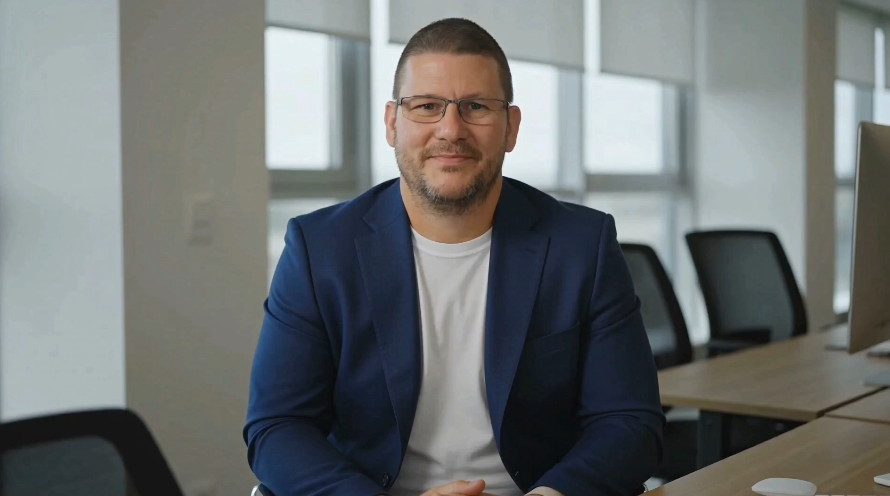
John Simpson, Co-owner
John Simpson is the Co-owner of Media Surge Marketing and creator of the SURGE Framework™, a proprietary methodology that helps local service businesses become the companies Google and AI recommend.
Specializing in AI visibility, local SEO, Answer Engine Optimization (AEO), and content strategy, John combines real-world client experience with ongoing research to help businesses build trust and improve their online visibility.
Ready to Implement
These Strategies?
Stop losing leads to competitors who are already optimizing for AI Search. Let's build your custom authority roadmap.
More Insights
View All
Local SEO vs Google Ads: Which Produces Better Long-Term Results?
Should contractors invest in Local SEO or Google Ads? We break down the costs, ROI, and long-term benefits of both marketing channels.

The 15 Biggest Local SEO Mistakes Contractors Make
Are you losing high-intent leads to your competitors? Discover the 15 most common local SEO mistakes contractors make and how to fix them.

Why Most Local Businesses Never Reach Google's Map Pack
The Google Map Pack drives the majority of local service leads. Here are the most common reasons your business isn't ranking in the top 3 and exactly how to fix it.