What to Look for in an AI SEO Agency in 2026

How do I choose an AI SEO agency in 2026?
Choose an agency that can tell you exactly what work it will perform — structured data, entity consistency, educational content, and multi-platform distribution — rather than one that only promises rankings. Ask for real examples of completed work, confirm they understand schema and entity SEO, and avoid any agency that guarantees placement in ChatGPT or Google AI Overviews, because no one controls those platforms.
The right partner builds the foundational signals that help AI systems understand and trust your business over time, and explains the process in plain English. Industry specialization helps, but understanding modern search technology matters more.
Key Takeaways
- Search Has Changed: AI-powered search experiences like ChatGPT, Gemini, and Google AI Overviews are becoming an increasingly important way people discover businesses, and traditional keyword-focused SEO alone may no longer be sufficient.
- Most Agencies Have Not Caught Up: Many agencies still sell outdated tactics—keyword stuffing, low-quality backlinks, and generic blog posts—that do not address how AI systems actually evaluate and recommend businesses.
- AI Search Requires a Different Foundation: Structured data, entity clarity, consistent business information across platforms, and educational content are the building blocks of AI visibility.
- Ask the Right Questions: Understanding what an agency actually does, how they measure progress, and whether they can explain their process in plain English will help you avoid costly mistakes.
- Transparency Matters: A reputable agency will show you exactly what work is being performed and why, rather than hiding behind vague reports or proprietary jargon.
- Guarantees Are a Red Flag: No agency can guarantee placement in AI-generated responses. Any promise of specific rankings, traffic, or AI recommendations should be treated with caution.
- Long-Term Authority Beats Short-Term Tactics: The businesses that will succeed in AI search are the ones building durable digital foundations, not chasing temporary visibility.
Quick Answer
When evaluating an AI SEO agency in 2026, look for a partner that understands how AI-powered search experiences work, can explain their process in plain English, and focuses on building long-term authority through structured data, entity consistency, educational content, and trust signals. Avoid agencies that guarantee specific rankings or AI placement, rely on outdated keyword tactics, or cannot clearly describe what work they will actually perform. The right agency will demonstrate real experience, show you tangible deliverables, and prioritize transparency over hype.
Table of Contents
- Why This Guide Matters
- How Search Changed (and Why Most Agencies Haven't)
- What AI Search Optimization Actually Involves
- The 7 Signs of a Modern AI SEO Agency
- Red Flags to Watch For
- Questions to Ask Before You Sign
- Traditional SEO vs. AI Search Optimization
- What a Real Engagement Looks Like
- Common Mistakes Business Owners Make
- Action Checklist
- Frequently Asked Questions
- Conclusion
Why This Guide Matters
A business owner recently told us about a conversation they had with a marketing agency. The agency promised to "get them ranked on ChatGPT" within 30 days. When the business owner asked how, the agency representative could not explain the process. He simply repeated the promise and pointed to a chart showing projected traffic growth.
That conversation is happening thousands of times every day across the country. Business owners know search is changing. They have heard about AI. They want to be visible when potential customers ask ChatGPT, Gemini, or Google AI Overviews for a recommendation. But they do not know enough about how these systems work to evaluate whether an agency can actually deliver on its promises.
This guide exists to change that. It is not a sales pitch for Media Surge Marketing. It is a practical framework for evaluating any agency that claims to optimize for AI search. Whether you ultimately work with us, work with another firm, or handle your digital presence internally, you should finish this guide knowing exactly what questions to ask, what answers to trust, and what promises to question.
Think of this guide the way you would think of a checklist before buying a used car. You do not need to be a mechanic to spot the warning signs. You just need to know what to look for.
How Search Changed (and Why Most Agencies Haven't)
For over two decades, search engine optimization followed a relatively predictable pattern. Research keywords, optimize page titles and meta descriptions, build backlinks, publish blog posts, and track rankings in Google's results pages. Agencies built their entire business models around this workflow. Tools were designed for it. Reporting templates were built around it. Sales scripts were written for it.
Then AI-powered search arrived.
When someone asks ChatGPT for a recommendation, they do not receive a list of ten blue links. They receive a conversational answer that synthesizes information from across the web. The same is true for Google AI Overviews, Perplexity, and Gemini. These systems do not simply rank websites. They attempt to understand entities—people, businesses, services, locations—and then recommend the ones that appear most trustworthy, most relevant, and most consistently referenced across multiple sources.
Why This Matters
Imagine asking ten friends for the best pizza in town. If eight recommend the same place, you feel confident. AI works similarly—it gains confidence when many trusted sources independently point to the same business. An agency that only builds backlinks is like a friend who only recommends one restaurant. It helps, but it does not create consensus.
Most agencies have not adapted to this shift. They continue selling the same services they sold five years ago—keyword research, on-page optimization, and link building—repackaged with the word "AI" sprinkled into their marketing materials. The deliverables have not changed. Only the sales pitch has.
This does not mean traditional SEO is dead. Google's classic search results still drive significant traffic, and the fundamentals of good on-page optimization still matter. But if an agency's entire strategy stops at keyword rankings and backlinks, they are building for the search engine of 2019, not the search landscape of 2026 and beyond.
What AI Search Optimization Actually Involves
AI search optimization is not a single tactic. It is a collection of foundational practices that help AI systems understand, trust, and confidently reference your business. Here is what that actually looks like in practice.
Structured Data and Schema Markup
Structured data is a standardized format that helps search engines and AI systems interpret the information on your website. Think of it like a business card. You could hand someone a long paragraph describing your company, or you could hand them a clean card with your name, services, location, and hours clearly labeled. Structured data does the latter for machines.
A modern agency should be able to explain what types of schema they implement—such as LocalBusiness, Service, FAQ, Article, and Breadcrumb—and why each one matters for how AI systems interpret your business. If an agency cannot explain schema in plain English, that is a sign they may not understand how AI search actually works.
Entity Consistency Across Platforms
AI systems build a knowledge graph—a map of entities and their relationships. Your business is an entity. For AI to confidently recommend you, it needs to see consistent information about your business across multiple trusted sources: your website, your Google Business Profile, major directories, review platforms, and social media profiles.
If your business name, address, phone number, or service descriptions vary across these platforms, it creates ambiguity. AI systems may struggle to confidently identify which version is accurate. Consistency reduces that ambiguity and strengthens the entity signal.
Educational Content and Topical Authority
AI systems are trained on vast amounts of text. When they encounter a business that has published detailed, helpful content about its services, service area, and industry, they are more likely to understand that business as an authority on those topics.
This is why a Learning Center matters. Rather than publishing thin blog posts stuffed with keywords, a modern agency helps you build a library of educational content that answers the questions your potential customers are actually asking. This content does not just help with search—it helps real people make informed decisions.
Trust Signals and Digital Footprint
AI systems look for evidence that a business is real, active, and trusted. Reviews, consistent business information, active social media profiles, mentions across directories, and a professional website all contribute to this trust signal. The broader and more consistent your digital footprint, the more confidence AI systems may have in recommending your business.
Processes like MultiCasting™ are designed to expand this footprint systematically—taking a single piece of content and distributing it across multiple platforms to create additional signals that reinforce your business's expertise and authority.
Technical Foundation and Accessibility
AI systems need to be able to crawl and understand your website. A slow, poorly structured, or inaccessible website makes that harder. Technical SEO, mobile usability, page performance, and accessibility improvements all contribute to a website that both human visitors and AI systems can navigate with ease.
A modern agency should treat these foundational elements as non-negotiable, not as premium add-ons. If an agency glosses over technical SEO or accessibility in their proposal, it is worth asking why.
The 7 Signs of a Modern AI SEO Agency
Here is a practical checklist you can use to evaluate whether an agency actually understands AI search or is simply rebranding old services.
1. They Can Explain Their Process in Plain English
A knowledgeable agency does not hide behind jargon. If you ask what they do and they respond with a stream of buzzwords—"AI-powered backlink synthesis," "neural ranking optimization," "algorithmic authority amplification"—without being able to explain what those terms mean in practical terms, proceed with caution.
A real expert can make complex concepts understandable. If they cannot explain it to you in a way that makes sense, they may not understand it well enough themselves.
2. They Focus on Foundations, Not Quick Wins
AI search optimization is a long-term process. An agency that promises fast results is likely using tactics that produce temporary visibility—techniques that may work briefly but do not build lasting authority. Look for an agency that talks about building a foundation: website architecture, structured data, content strategy, and entity consistency.
3. They Show Real Work, Not Just Charts
Ask to see examples of websites they have built, content they have published, schema they have implemented, and Learning Centers they have created. Real work is tangible. You can see it, read it, and evaluate it. Charts showing traffic growth or ranking improvements can be impressive, but they do not tell you whether the underlying work is sound.
This is why case studies matter. A good case study does not just show results—it explains what was built, why it was built, and how it supports long-term growth.
4. They Understand Entity SEO
Ask the agency what "entity SEO" means to them. If they give you a blank stare or a vague answer, they have not adapted to how modern search works. A knowledgeable agency will explain that entities are how AI systems identify and categorize businesses, and that building entity clarity through structured data, consistent information, and authoritative content is central to AI visibility.
5. They Prioritize Accessibility and User Experience
Accessibility is not just a compliance issue. It is a quality signal. A website that is accessible to users with disabilities is also easier for AI systems to crawl and understand. An agency that treats accessibility as an afterthought is missing a foundational element of modern search optimization.
6. They Are Transparent About Deliverables
You should know exactly what you are paying for. A reputable agency will provide a clear list of deliverables—what pages will be built, what schema will be implemented, what content will be published, and what platforms will be updated. If the deliverables are vague or described only in terms of outcomes ("increased visibility," "improved rankings"), ask for specifics.
7. They Do Not Guarantee AI Placement
No one outside the AI companies controls how ChatGPT, Gemini, or Google AI Overviews generate their responses. Any agency that guarantees your business will appear in AI-generated answers is making a promise they cannot keep. A trustworthy agency will focus on building the signals that help AI systems understand and trust your business, while being honest about the fact that specific outcomes cannot be guaranteed.
Common Mistake
Many business owners choose an agency based on the size of the agency or the impressiveness of their client list. But a large agency with hundreds of clients may assign your account to a junior team member who follows a template. A smaller, specialized agency may provide more personalized attention and deeper expertise. Size is not a substitute for understanding.
Red Flags to Watch For
Just as there are positive signs, there are clear warning signs that an agency may not be the right partner. Here are the most common ones.
Guaranteed Rankings or AI Placement
If an agency guarantees specific rankings, traffic numbers, or placement in AI-generated responses, walk away. No agency controls Google's algorithm, and no agency controls how ChatGPT or Gemini generate their answers. Guarantees are a sales tactic, not a business strategy.
Vague Deliverables
If the proposal describes services in terms of outcomes rather than actions—"we will increase your visibility" instead of "we will implement LocalBusiness, Service, and FAQ schema across your website"—you do not actually know what you are buying. Outcomes are goals. Deliverables are what you pay for.
Overreliance on Backlinks
Backlinks still matter, but they are one signal among many. If an agency's entire strategy revolves around building links, they are working with an outdated playbook. AI systems look for consensus across multiple platforms, not just link counts.
No Case Studies or Real Examples
If an agency cannot show you real websites they have built, content they have published, or technical work they have performed, you have no way to evaluate their quality. Testimonials are nice, but they are not a substitute for tangible evidence of capability.
Pressure to Sign Quickly
A reputable agency will give you time to evaluate their proposal, ask questions, and make an informed decision. High-pressure sales tactics—"this price is only available today," "we only have two spots left"—are designed to prevent you from thinking clearly.
Questions to Ask Before You Sign
Here is a set of questions you can ask any agency to evaluate whether they understand modern AI search optimization.
| Question | What a Good Answer Sounds Like | What a Bad Answer Sounds Like |
|---|---|---|
| What specific work will you perform on my website? | A clear list of deliverables: schema implementation, page builds, content creation, technical SEO improvements, accessibility updates. | "We will optimize your site for AI search." (No specifics.) |
| How do you help my business appear in AI-generated answers? | An explanation of entity clarity, structured data, content authority, and trust signals across platforms. | "We have a special AI optimization process." (No explanation.) |
| Can you guarantee I will show up in ChatGPT or Google AI Overviews? | "No, and any agency that makes that guarantee is not being honest. We focus on building the signals that help AI systems understand and trust your business." | "Yes, we can get you ranked in AI search within 90 days." |
| Can you show me examples of websites you have built? | Real URLs, real case studies, and an explanation of what was built and why. | "Our client information is confidential." |
| What is entity SEO? | A clear explanation of how AI systems identify businesses as entities and how structured data, consistency, and content reinforce entity understanding. | "It is a new type of SEO we specialize in." (No substance.) |
| How do you measure progress? | Specific deliverables completed, content published, technical improvements deployed, and changes in entity visibility across platforms. | "We track your rankings and traffic." |
| What happens if I want to leave? | "The work we have completed is yours. Your website, content, and technical foundation remain intact." | Vague answers or hints that you would lose access to your assets. |
Traditional SEO vs. AI Search Optimization
Understanding the difference between traditional SEO and AI search optimization will help you evaluate whether an agency is working with a modern or outdated playbook. Both matter, but they are not the same thing.
| Element | Traditional SEO | AI Search Optimization |
|---|---|---|
| Primary Goal | Rank in Google's search results pages for target keywords | Be understood and recommended by AI systems in conversational answers |
| Key Signals | Keywords, backlinks, on-page optimization | Entity clarity, structured data, trust signals, content authority, platform consistency |
| Content Approach | Keyword-targeted blog posts and landing pages | Educational content that answers questions and builds topical authority |
| Measurement | Ranking positions, organic traffic, click-through rates | Entity visibility, content publication, technical deliverables, platform consistency |
| Timeline | Weeks to months for ranking improvements | Months of consistent foundation-building for long-term authority |
| Risk of Outdated Tactics | Moderate—some tactics still work, others have been deprecated | High—agencies using only traditional tactics may not address AI search at all |
Expert Insight
Traditional SEO and AI search optimization are not mutually exclusive. A strong strategy addresses both. The businesses most likely to succeed are the ones building a technical and content foundation that serves classic search results and AI-powered experiences simultaneously.
What a Real Engagement Looks Like
To help you set realistic expectations, here is what a well-structured AI search optimization engagement should look like from start to finish.
Phase 1: Audit and Strategy
The agency should begin by evaluating your current digital presence. This includes reviewing your website's technical foundation, checking your business information across directories, assessing your content, and identifying gaps in your entity signals. The output should be a clear strategy document—not a sales pitch—that explains what needs to be done and why.
Phase 2: Foundation Building
This is where the real work begins. The agency should focus on building or improving your website's technical foundation: implementing structured data, improving accessibility, optimizing page performance, and ensuring your site architecture is clean and crawlable. If a new website is needed, this is when it gets built.
Phase 3: Content and Authority
With the foundation in place, the agency should help you build topical authority through educational content. This is where a Learning Center comes in—answering the questions your potential customers are asking, establishing your expertise, and creating content that AI systems can reference.
Phase 4: Expansion and Distribution
Finally, the agency should help expand your digital footprint through content distribution—syndicating your message across platforms, ensuring business information is consistent everywhere it appears, and building the trust signals that reinforce your entity authority.
Throughout every phase, you should receive clear updates about what was completed, what is in progress, and what is coming next. Transparency is not a feature—it is a baseline expectation.
Common Mistakes Business Owners Make
Even with the right agency, business owners can undermine their own success by making these common mistakes.
Choosing Based on Price Alone
The cheapest agency is rarely the most cost-effective. An agency that charges less may deliver less—fewer deliverables, less experienced team members, and a weaker foundation. The money you save on monthly fees may cost you years of missed visibility.
Expecting Overnight Results
AI search optimization is a long-term investment. If you expect to see results in the first 30 days, you will be disappointed with any reputable agency. Set realistic expectations: foundation building takes months, and authority compounds over time.
Not Participating in the Process
Even the best agency needs your input. They need to understand your business, your expertise, your service area, and your goals. If you hand over your credit card and disappear, the agency will be working with incomplete information. The best results come from collaboration.
Chasing Every New Trend
New tools and platforms emerge constantly. A good agency will help you focus on the fundamentals that matter, rather than chasing every new trend. If you constantly redirect your strategy based on the latest hype, you will never build the consistent foundation that AI systems reward.
Action Checklist
Use this checklist to evaluate any agency you are considering for AI search optimization.
- Ask for specific deliverables: Get a written list of exactly what work will be performed.
- Request real examples: Ask to see websites, content, and technical work the agency has completed.
- Test their communication: Can they explain their process in plain English? If not, proceed with caution.
- Watch for guarantees: Any promise of specific AI placement or rankings is a red flag.
- Evaluate their own digital presence: Does the agency practice what they preach? Is their own website technically sound and content-rich?
- Ask about ownership: Confirm that the website, content, and technical work remain yours if you end the engagement.
- Set realistic expectations: Understand that AI search optimization takes months of consistent work.
- Get your baseline score: Before starting, get an AI Recommendation Score™ to understand where your digital footprint stands today.
Frequently Asked Questions
What is an AI SEO agency?
An AI SEO agency is a marketing partner that optimizes a business's digital presence for AI-powered search experiences like ChatGPT, Gemini, Perplexity, and Google AI Overviews. Unlike traditional SEO agencies that focus primarily on keyword rankings, an AI SEO agency focuses on building entity clarity, structured data, educational content, and consistent trust signals across the web so AI systems can confidently understand and recommend the business.
How is AI SEO different from traditional SEO?
Traditional SEO focuses on helping a website rank for specific keywords in search engine results pages. AI SEO, also called Answer Engine Optimization (AEO) or Generative Engine Optimization (GEO), focuses on helping AI systems understand a business well enough to recommend it in conversational answers. Traditional SEO still matters, but AI search requires additional layers: structured data, entity consistency, topical authority, and trust signals across multiple platforms.
Can an agency guarantee my business will appear in ChatGPT or Google AI Overviews?
No agency can guarantee placement in AI-generated responses. AI systems like ChatGPT, Gemini, and Google AI Overviews use proprietary algorithms that no outside party controls. A reputable agency will focus on building the foundational signals that help AI systems understand and trust your business, rather than making guarantees about specific outcomes.
What questions should I ask before hiring an AI SEO agency?
Ask what specific work they will perform, what deliverables you will receive, how they measure progress, whether they understand structured data and entity SEO, and whether they can explain their process in plain English. Also ask for real examples of work they have completed for other clients, not just ranking screenshots or traffic charts.
Does my business need a new website for AI search optimization?
Not necessarily. A reputable agency will first audit your existing website to determine whether it needs a full rebuild or targeted improvements. If your current site has a strong design but weak technical foundations, the agency may focus on adding structured data, improving accessibility, optimizing performance, and building a content strategy without redesigning the visual layout.
How long does AI search optimization take to show results?
AI search optimization is a long-term process, not an overnight strategy. Building entity authority, publishing educational content, and establishing trust signals across platforms typically takes months of consistent work. Any agency promising rapid results for AI visibility is likely using tactics that may not produce lasting value.
What is entity SEO and why does it matter for AI search?
Entity SEO is the practice of helping search engines and AI systems clearly identify your business as a distinct, trusted entity with specific services, locations, and expertise. It involves structured data, consistent business information across directories, and content that reinforces who you are and what you do. AI systems rely on entity understanding to generate accurate recommendations.
Should I choose an agency that specializes in my industry?
Industry experience can be valuable, but it is more important to choose an agency that understands modern search technology, can demonstrate real work, and communicates clearly. A strong agency will learn your industry quickly and apply proven frameworks rather than relying on generic templates that may not adapt to how search is evolving.
Conclusion
Choosing the right AI SEO agency in 2026 comes down to one principle: find a partner who educates you, not one who overwhelms you. The agencies worth trusting are the ones that can explain what they do, show you what they have built, and set honest expectations about what is possible.
The businesses that will succeed in AI search are not the ones chasing shortcuts. They are the ones building durable digital foundations—clean websites, structured data, educational content, consistent entity information, and trust signals that compound over time. That work takes patience, but it creates a digital asset that grows stronger as search technology continues to evolve.
If you are evaluating agencies and want a baseline understanding of where your business stands today, start with an AI Recommendation Score™. It will give you a clear picture of your current digital footprint and help you ask better questions—no matter which agency you ultimately choose.
See Where Your Business Stands in AI Search
Get your AI Recommendation Score™ and discover exactly how AI systems view your business today. No cost, no obligation—just a clear baseline to help you make the right decision.
Get My AI Recommendation Score™Related Resources
Frequently Asked Questions
What is an AI SEO agency?
An AI SEO agency is a marketing partner that optimizes a business's digital presence for AI-powered search experiences like ChatGPT, Gemini, Perplexity, and Google AI Overviews. Unlike traditional SEO agencies that focus primarily on keyword rankings, an AI SEO agency focuses on building entity clarity, structured data, educational content, and consistent trust signals across the web so AI systems can confidently understand and recommend the business.
How is AI SEO different from traditional SEO?
Traditional SEO focuses on helping a website rank for specific keywords in search engine results pages. AI SEO, also called Answer Engine Optimization (AEO) or Generative Engine Optimization (GEO), focuses on helping AI systems understand a business well enough to recommend it in conversational answers. Traditional SEO still matters, but AI search requires additional layers: structured data, entity consistency, topical authority, and trust signals across multiple platforms.
Can an agency guarantee my business will appear in ChatGPT or Google AI Overviews?
No agency can guarantee placement in AI-generated responses. AI systems like ChatGPT, Gemini, and Google AI Overviews use proprietary algorithms that no outside party controls. A reputable agency will focus on building the foundational signals that help AI systems understand and trust your business, rather than making guarantees about specific outcomes.
What questions should I ask before hiring an AI SEO agency?
Ask what specific work they will perform, what deliverables you will receive, how they measure progress, whether they understand structured data and entity SEO, and whether they can explain their process in plain English. Also ask for real examples of work they have completed for other clients, not just ranking screenshots or traffic charts.
Does my business need a new website for AI search optimization?
Not necessarily. A reputable agency will first audit your existing website to determine whether it needs a full rebuild or targeted improvements. If your current site has a strong design but weak technical foundations, the agency may focus on adding structured data, improving accessibility, optimizing performance, and building a content strategy without redesigning the visual layout.
How long does AI search optimization take to show results?
AI search optimization is a long-term process, not an overnight strategy. Building entity authority, publishing educational content, and establishing trust signals across platforms typically takes months of consistent work. Any agency promising rapid results for AI visibility is likely using tactics that may not produce lasting value.
What is entity SEO and why does it matter for AI search?
Entity SEO is the practice of helping search engines and AI systems clearly identify your business as a distinct, trusted entity with specific services, locations, and expertise. It involves structured data, consistent business information across directories, and content that reinforces who you are and what you do. AI systems rely on entity understanding to generate accurate recommendations.
Should I choose an agency that specializes in my industry?
Industry experience can be valuable, but it is more important to choose an agency that understands modern search technology, can demonstrate real work, and communicates clearly. A strong agency will learn your industry quickly and apply proven frameworks rather than relying on generic templates that may not adapt to how search is evolving.
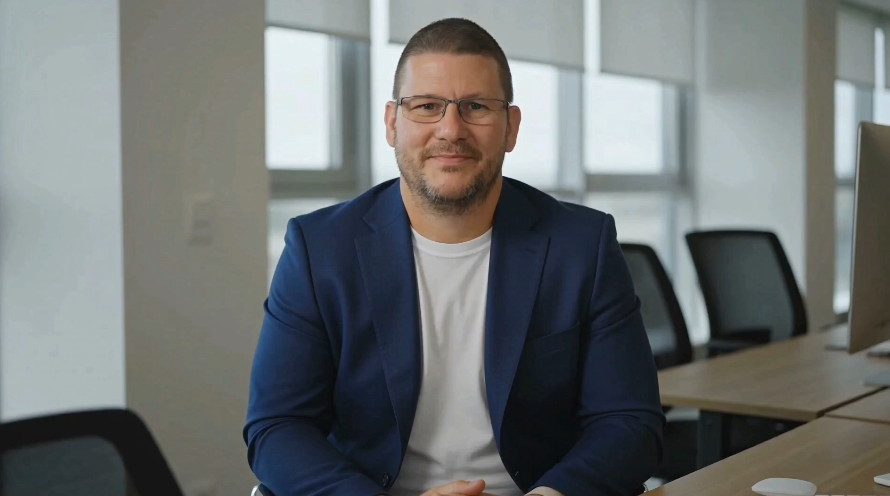
John Simpson, Co-owner
John Simpson is the Co-owner of Media Surge Marketing and creator of the SURGE Framework™, a proprietary methodology that helps local service businesses become the companies Google and AI recommend.
Specializing in AI visibility, local SEO, Answer Engine Optimization (AEO), and content strategy, John combines real-world client experience with ongoing research to help businesses build trust and improve their online visibility.
Ready to Implement
These Strategies?
Stop losing leads to competitors who are already optimizing for AI Search. Let's build your custom authority roadmap.
More Insights
View All
Why Does ChatGPT Recommend My Competitors Instead of Me?
ChatGPT recommending a competitor doesn't mean they're the better company. Learn how to diagnose the real gap, test representative prompts, distinguish mentions from recommendations, and decide what to fix first.

Inside Our MultiCasting™ Workflow: How One Piece of Content Becomes 300+ Trust Signals
A behind-the-scenes look at how Media Surge Marketing turns a single piece of educational content into hundreds of authoritative trust signals across the web.

Answer Engine Optimization (AEO) for Local Businesses: How to Rank in ChatGPT, Gemini, and AI Overviews
Learn how to future-proof your local business marketing by optimizing for AI search engines. Discover the difference between SEO and AEO, and how to become the company AI recommends.