SEO vs PPC Advertising for Traffic Growth: Examples, Pros & Cons

Still running Google Ads because you need the traffic? Here's the uncomfortable truth: the moment your PPC budget runs dry, your traffic drops to zero. Meanwhile, businesses investing in organic authority quietly scale their monthly visitors—without spending a dollar on ads.
The fundamental difference between PPC (Pay-Per-Click) and SEO (Search Engine Optimization) lies not in their immediate performance, but in what happens when budgets end. While both strategies target the same search results page, their long-term economics couldn't be more different. Understanding these mechanics helps business owners make informed decisions about sustainable traffic growth.
Quick Scan: Key Takeaways
- Zero Traffic Drop-Off: PPC campaigns generate zero traffic the instant ad spend stops, while SEO continues delivering visitors months or years after initial investment.
- Higher Click-Through Rates: Organic search results typically receive a significantly higher share of clicks compared to paid ads, with the #1 organic result achieving approximately a 27-28% click-through rate.
- Rising Ad Costs: Google Ads costs continue rising across industries, with competitive verticals like legal services, HVAC, and roofing often seeing cost-per-clicks well above average.
- Compound Returns: SEO generates significant compound returns through long-term traffic momentum that builds over time.
- Omnipresent Distribution: Diversified content distribution across multiple channels reduces platform dependency and creates resilient traffic growth.
The Fundamental Difference: What Happens When the Budget Ends?
PPC Traffic Vanishes Instantly
When PPC campaigns pause, traffic stops immediately. This isn't a gradual decline—it's an instant halt. We have seen clients experience sharp drops in overall traffic and a near-complete stop in new customer acquisitions after pausing Google Ads campaigns, because paid traffic does not compound the way organic visibility does.
The abrupt nature of PPC traffic loss creates significant business risk. Unlike organic strategies that maintain momentum, paid advertising operates on a pure pay-to-play model. Stop paying, stop receiving visitors. This creates a dependency that many businesses discover too late, often during budget constraints when traffic is most critical.
The Compound Effect of SEO
SEO operates on compound growth principles similar to compound interest. Initial investments in content creation and optimization continue generating returns long after the work is completed. This creates exponential traffic increases as content builds authority and rankings improve across multiple related keywords.
Unlike PPC's immediate stop-start nature, SEO investments appreciate over time. Content published months ago continues attracting visitors, and those visitors often discover additional pages, creating internal traffic multiplication. This snowball effect means ranking improvements for one keyword positively impact related terms, expanding visibility across entire industry verticals.
Why Organic Search Outperforms Paid Ads in ROI
Higher Click-Through Rates (CTR)
Organic search results consistently outperform paid advertisements in click-through rates. The #1 organic result earns approximately 27-28% CTR based on recent industry data, while search ads typically average 3-6% across industries. This difference stems from user trust—people inherently view organic results as more credible and relevant than advertisements.
Trust Signals That Convert Better
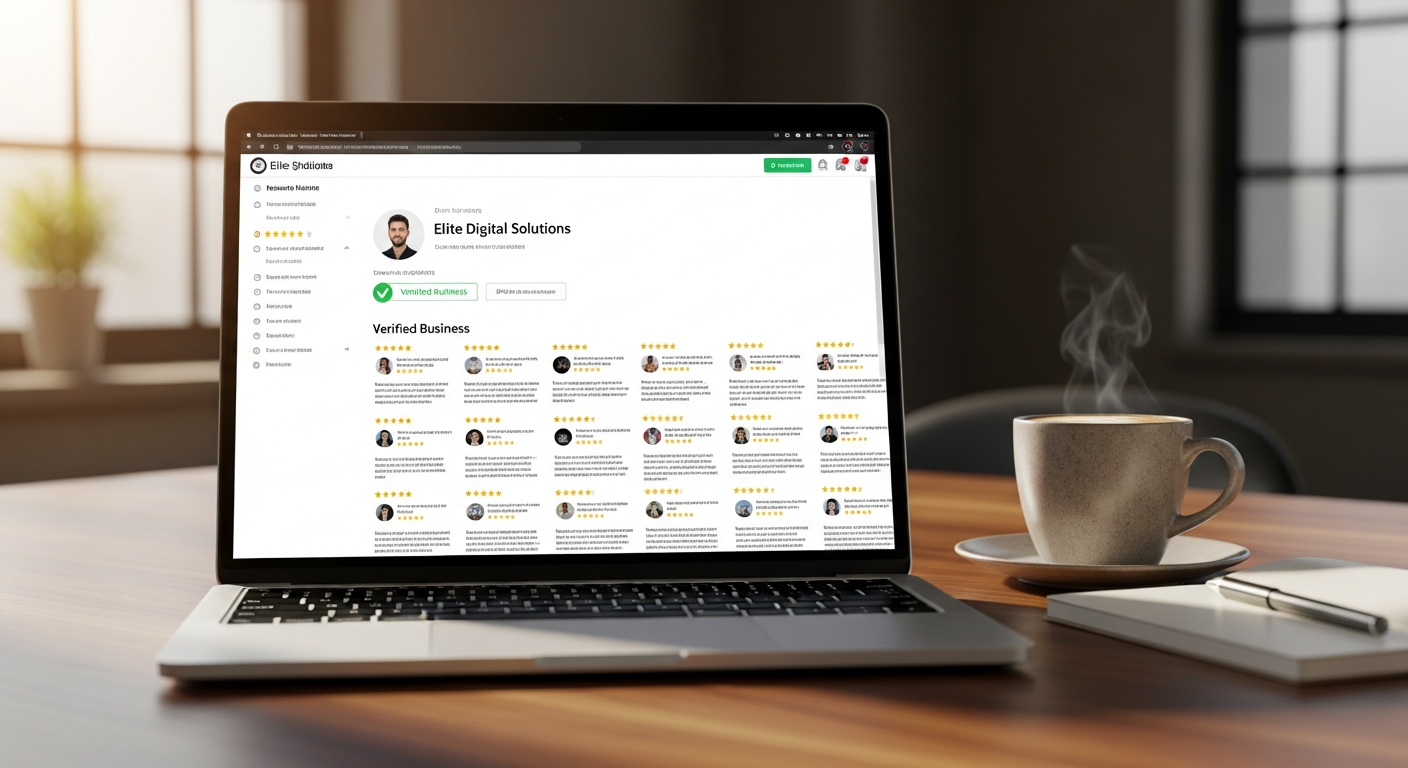
High organic rankings serve as powerful trust signals to potential customers. When websites consistently appear at the top of organic results for relevant industry terms, users perceive those brands as authorities in their field. This perceived expertise translates directly into higher conversion rates, as visitors trust companies that "earned" their visibility over those that paid for it.
Why PPC Costs Keep Rising While Returns Diminish
Google Ads costs have climbed consistently over recent years, with average cost-per-click rates increasing across most industries. This trend affects most sectors, with competitive verticals like legal services, insurance, and home services (like HVAC and roofing) often seeing CPCs well above average, with many keywords reaching very high costs.
The auction-based nature of PPC advertising means costs increase as more businesses compete for the same keywords. Each new advertiser entering a market drives up bid prices for existing participants, creating a continuous cost escalation cycle that shows no signs of slowing. The result is diminishing returns where the same ad spend generates fewer clicks and leads over time.
Real-World Examples: SEO & PPC
Real-World SEO Success Story: Canva
When Canva launched in 2013, it faced the challenge of competing against established design tools. Rather than relying on traditional content marketing, the company built a programmatic SEO strategy around its own product. Canva created over 24,000 templated landing pages targeting specific search intents (like "resume templates" or "background remover"). This strategy now drives over 100 million organic visits per month, making SEO one of Canva’s most powerful acquisition channels.
Proven PPC Campaign Example: Away Travel
Away Travel used Google Ads strategically to capture market share in a category dominated by legacy luggage brands. In their early growth phase, about 70% of Away’s Search Ads clicks came from non-branded keywords. Most brands struggle to convert profitably on unbranded terms, but Away’s strong brand recognition (built through PR and social media) enabled it to achieve high enough conversion rates to run these campaigns at scale profitably.
The 3 Advantages of SEO for Local Businesses
1. Long-Term ROI & Compound Growth
SEO’s most compelling advantage is its cumulative return on investment that increases over time. Unlike PPC, where each click represents a new cost, SEO investments continue delivering traffic long after the initial work is completed.
2. Higher Click-Through Rates Than PPC
Organic search results consistently outperform paid ads in terms of click-through rates. Multiple studies show that organic listings receive a higher click-through rate, with the vast majority of users ignoring paid ads.
3. Enhanced Brand Credibility & Trust
High organic rankings serve as powerful trust signals. When your website consistently appears at the top of organic search results for relevant industry terms, users perceive your brand as an authority.
The Challenges of SEO You Must Know
Time to Results: The 6–12 Month Reality
The most significant SEO challenge is the extended timeline required to see meaningful results. Unlike PPC’s immediate impact, organic strategies typically take 6–12 months before delivering substantial yield, particularly in competitive local markets.
Content Creation Requirements
Effective SEO demands substantial content development resources. Search engines reward websites that consistently publish high-quality, relevant content that comprehensively addresses user needs. This requirement necessitates ongoing investment in content creation.
The MultiCasting™ Approach: Scaling Above SEO & PPC
SEO and PPC are powerful on their own, but they share a fundamental limitation: both depend almost entirely on search engines. The MultiCasting™ approach moves beyond this constraint by ensuring your brand appears across every channel your audience uses.
Why Being Everywhere Beats Being on Page One
Today’s buyers don’t make decisions from a single Google search. They research across YouTube, listen to podcasts, scroll social media feeds, read industry blogs, and scan news sites before they ever commit to a purchase. If your brand only shows up on a search results page, you’re invisible during most of that journey.
The MultiCasting approach solves this by placing your brand across every channel your audience uses — not just search, but video platforms, podcast directories, news outlets, blogs, slide-sharing sites, and social media. This level of repeated, multi-channel exposure builds a depth of trust that no single Google ranking or paid ad placement can replicate.
Scale Your Traffic Beyond SEO & PPC With Media Surge
Neither SEO nor PPC alone can place your brand everywhere buyers look. The Media Surge Marketing platform goes beyond both by transforming one topic into 8 content formats: news articles, blog posts, podcasts, videos, video shorts, infographics, slideshows, and social posts, and publishing them across 300+ high-authority sites like Google News, YouTube, Spotify, and FOX affiliates.
When potential customers see your brand across multiple platforms, it builds the kind of credibility that a single search ranking or ad placement simply cannot match. If you're ready to build sustainable traffic growth that doesn't disappear when budgets end, get your AI Recommendation Score™ today.
Frequently Asked Questions
What is the main difference between SEO and PPC?
The primary difference is that PPC (Pay-Per-Click) provides immediate traffic that stops the moment you stop paying, while SEO (Search Engine Optimization) builds long-term, compounding organic traffic that continues to deliver visitors over time without direct per-click costs.
Which has a higher click-through rate: SEO or PPC?
Organic search results (SEO) consistently outperform paid ads in click-through rates. The #1 organic result typically earns a 27-28% CTR, while search ads average 3-6%, as users inherently trust organic results more.
How long does it take to see results from SEO?
Traditional SEO typically takes 6 to 12 months to show significant results, especially in competitive markets. However, the compound growth achieved over time often yields a much higher long-term ROI than paid advertising.
What happens to my traffic if I stop running Google Ads?
When you pause or stop your PPC campaigns, the traffic generated from those ads vanishes instantly. Unlike SEO, which maintains momentum, PPC operates purely on a pay-to-play model.
What is the MultiCasting approach?
MultiCasting is a strategy that goes beyond traditional SEO and PPC by distributing your brand's content across 300+ platforms in 8 different formats (videos, podcasts, articles, etc.). This omnipresent approach builds immense trust and authority across the entire digital ecosystem.
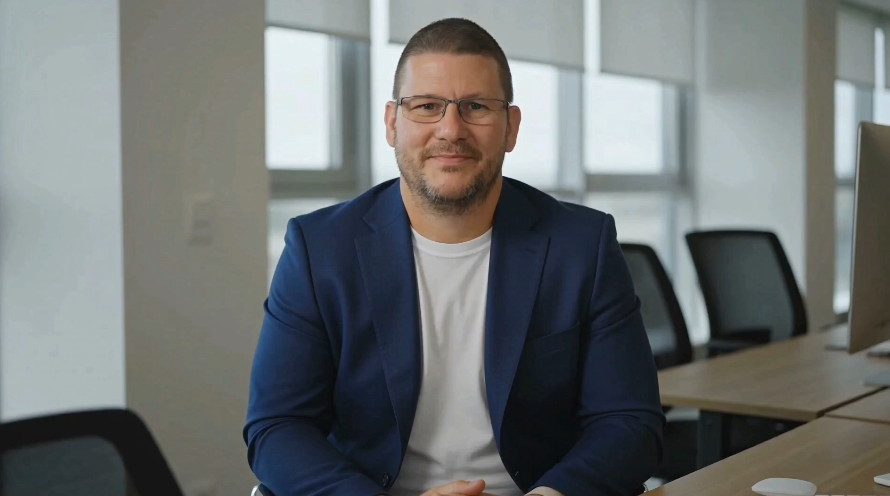
John Simpson, Co-owner
John Simpson is the Co-owner of Media Surge Marketing and creator of the SURGE Framework™, a proprietary methodology that helps local service businesses become the companies Google and AI recommend.
Specializing in AI visibility, local SEO, Answer Engine Optimization (AEO), and content strategy, John combines real-world client experience with ongoing research to help businesses build trust and improve their online visibility.
Ready to Implement
These Strategies?
Stop losing leads to competitors who are already optimizing for AI Search. Let's build your custom authority roadmap.
More Insights
View All
Why Traditional SEO is Dead (And What to Do Instead)
Google's AI Overviews are changing the game. If you're relying solely on blue links, your traffic is at risk.

The Role of News Articles in Local SEO
Getting featured on news sites like FOX and CBS isn't just for ego—it's a massive ranking signal for Google and AI engines.

Understanding Google's Helpful Content Update: A Guide for Local Businesses
Google is prioritizing content written by humans, for humans. Here is how to ensure your local service site doesn't get penalized.