How to Show Up in Google Maps for Your Local Business

The Importance of Google Maps for Local Businesses
When a homeowner needs a plumber, roofer, or HVAC technician, they don't scroll through pages of search results. They look at the Google Local Pack—the top 3 businesses displayed on the map right at the top of the search page. If your business isn't there, you are missing out on the highest-intent, most profitable leads in your market.
Ranking in Google Maps isn't about luck, and it's no longer just about having a website. It requires a systematic approach to optimizing your Google Business Profile (GBP), building local trust signals, and proving to Google that you are the most relevant and prominent solution for the searcher. To understand how Maps fits into your overall visibility, see our cornerstone guide: Get Found on Google, Google Maps & AI Search: The Complete Guide.
The 3 Pillars of Google Maps Rankings
Google explicitly states that local results are based primarily on three factors: Relevance, Distance (Proximity), and Prominence. Understanding how to influence these pillars is the key to showing up in Google Maps.
1. Relevance (Are you what they are looking for?)
Relevance is how well your local Business Profile matches what someone is searching for. If someone searches for "tankless water heater repair," Google needs to know your plumbing company actually provides that specific service.
- Primary & Secondary Categories: This is the strongest relevance signal. Ensure your primary category perfectly matches your core business (e.g., "Plumber"), but don't forget secondary categories (e.g., "Drainage Service", "Water Heater Installation Service").
- Services List: Fill out the services section of your GBP completely. Add custom services with detailed descriptions.
- Website Content: Google crawls the website linked to your GBP to confirm relevance. If your GBP says you do "roof repair" but your website barely mentions it, your relevance score drops.
2. Distance / Proximity (How close are you?)
Proximity is the hardest factor to manipulate because it is based on the physical location of the searcher compared to your business address. However, you can expand your "ranking radius" by building strong local signals.
- Service Area Pages: Create dedicated pages on your website for the surrounding cities you serve.
- Geotagged Content: When you upload photos to your GBP or website, ensure they are associated with the areas you serve (e.g., a photo named "roof-replacement-smyrna-tn.jpg").
- Local Citations: Ensure your business name, address, and phone number (NAP) are consistent across local directories, chambers of commerce, and industry sites.
3. Prominence (How trusted and well-known are you?)
Prominence refers to how well-known your business is in the offline and online world. This is where most local businesses fail to compete.
- Review Velocity and Quality: It's not just about having 5 stars. Google looks at the total number of reviews, how often you get them (velocity), and the keywords customers use in their reviews.
- Backlinks: Links from other reputable websites to your site act as votes of confidence.
- Entity Authority: Are you mentioned in local news? Do you have active social profiles? This cross-platform presence is exactly what our MultiCasting™ system builds.
Step-by-Step Guide to Optimizing Your Google Business Profile
Step 1: Complete Every Single Field
Do not leave anything blank. Add your business hours (including holiday hours), a detailed 750-character business description, your opening date, and all relevant attributes (e.g., "veteran-led", "free estimates").
Step 2: Upload High-Quality, Authentic Photos
Google's AI can detect stock photos. Upload real photos of your team, your branded trucks, your office, and your completed jobs. Businesses with more than 100 photos get significantly more calls and direction requests than those with fewer.
Step 3: Utilize Google Posts Weekly
Google Posts are like social media updates for your GBP. Use them to share offers, recent projects, or educational content. Regular posting signals to Google that your business is active and engaged.
Step 4: Seed and Answer Q&As
Anyone can ask a question on your GBP. Don't wait for customers—ask the most common questions yourself (e.g., "Do you offer emergency HVAC repair?") and answer them thoroughly. This provides more keyword-rich content for Google to crawl.
How AI Search is Changing Google Maps
The rise of AI tools like ChatGPT and Google's own AI Overviews is changing how people interact with local search. AI doesn't just look at proximity; it looks for consensus and authority.
When a user asks an AI, "Who are the most reliable roofers near me?", the AI scans the web for businesses with strong reviews, consistent mentions on third-party sites, and authoritative content. If your Maps strategy only consists of a basic GBP and a website, you will lose to competitors who have a broader digital footprint. This is why you must optimize for both traditional search and AI platforms.
Common Mistakes That Hurt Your Maps Ranking
Avoid these critical errors that can suppress your ranking or get your profile suspended:
- Keyword Stuffing Your Name: Using "John's Plumbing - Best Emergency Plumber" instead of your legal name ("John's Plumbing") violates guidelines.
- Inconsistent NAP: Having different phone numbers or addresses across the web confuses search engines.
- Ignoring Negative Reviews: Failing to respond to negative reviews hurts your prominence and deters potential customers.
For a deeper dive into these errors, read The 15 Biggest Local SEO Mistakes Contractors Make.
Conclusion
Showing up in Google Maps requires a combination of perfect profile optimization, consistent review generation, and building strong local authority across the web. By focusing on Relevance, Proximity, and Prominence, you can push your business into the Local Pack and capture the highest-quality leads in your market.
Frequently Asked Questions
How do I get my business to show up on Google Maps?
You must first claim and verify your Google Business Profile. Then, optimize it by selecting the correct categories, filling out all business information, uploading real photos, and consistently generating positive reviews.
Why is my competitor ranking higher than me on Google Maps?
They likely have stronger signals in Relevance, Proximity, or Prominence. This could mean they have more reviews, a better-optimized website, consistent local citations, or they are physically closer to the searcher.
Does paying for Google Ads improve my organic Google Maps ranking?
No. Google Ads and organic Google Maps rankings are entirely separate. Paying for ads will not directly improve your organic position in the Local Pack.
How often should I post on my Google Business Profile?
We recommend posting at least once a week. Regular updates signal to Google that your business is active, which can positively influence your rankings.
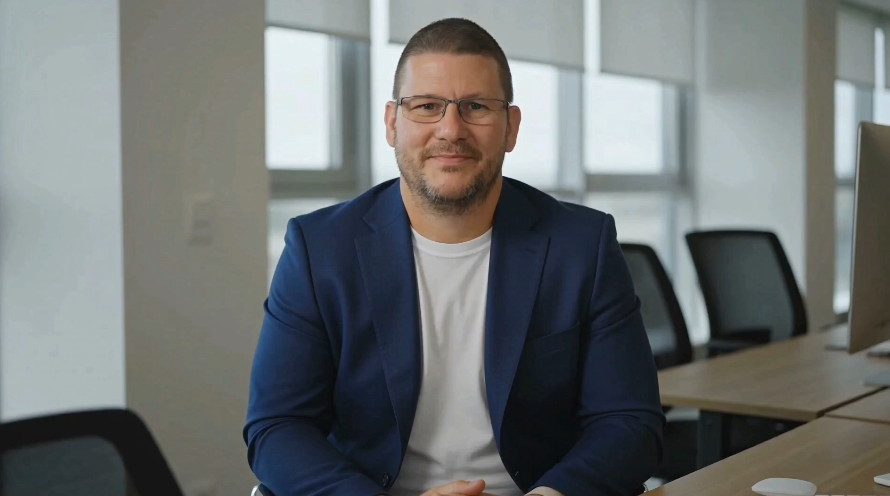
John Simpson, Co-owner
John Simpson is the Co-owner of Media Surge Marketing and creator of the SURGE Framework™, a proprietary methodology that helps local service businesses become the companies Google and AI recommend.
Specializing in AI visibility, local SEO, Answer Engine Optimization (AEO), and content strategy, John combines real-world client experience with ongoing research to help businesses build trust and improve their online visibility.
Ready to Implement
These Strategies?
Stop losing leads to competitors who are already optimizing for AI Search. Let's build your custom authority roadmap.